
A bit about me
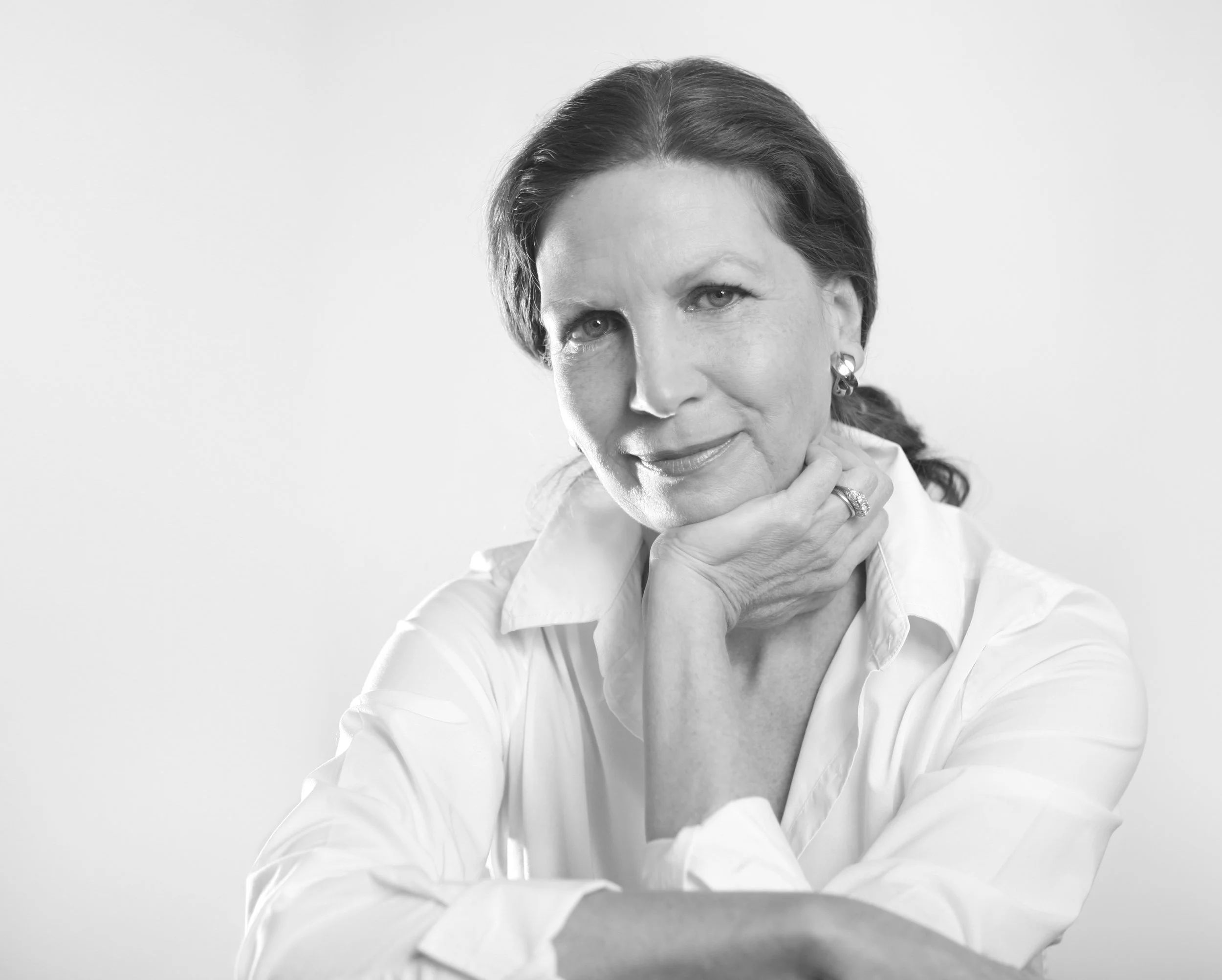
Cynthia here! Owner, creative director & host of Les Ateliers SM&RT
Growing up I was really lucky to be raised by super social parents.They drilled into me all the people skills one could possibly need. I left home with nothing more than overconfidence and hope and I relied on those skills to get my foot in the professional door. I landed the job of a lifetime in the Province of Ontario’s Protocol Office and gradually moved up the ladder. I parlayed that initial success into other jobs, including teaching and consulting. The soft skills I value are the cornerstone of my personal and professional relationships, the same goes for sharing and teaching these valuable traits to my three children. I can see how they have used these skills to maintain relationships and achieve success in school and work. Thanks to the massive advances in technology, we have never been more connected and less connected at the same time. This evolution presents new challenges. Almost every day we hear about the importance of building a child’s self-esteem and confidence; of course! However, encouraging empathy and learning the basics of social know-how are equally important. Soft skills are key to good relationships; both social and professional. This is how SM&RT came to exist today.
Conversation Chicken
“What I hear I forget, what I see I remember, what I do I understand”
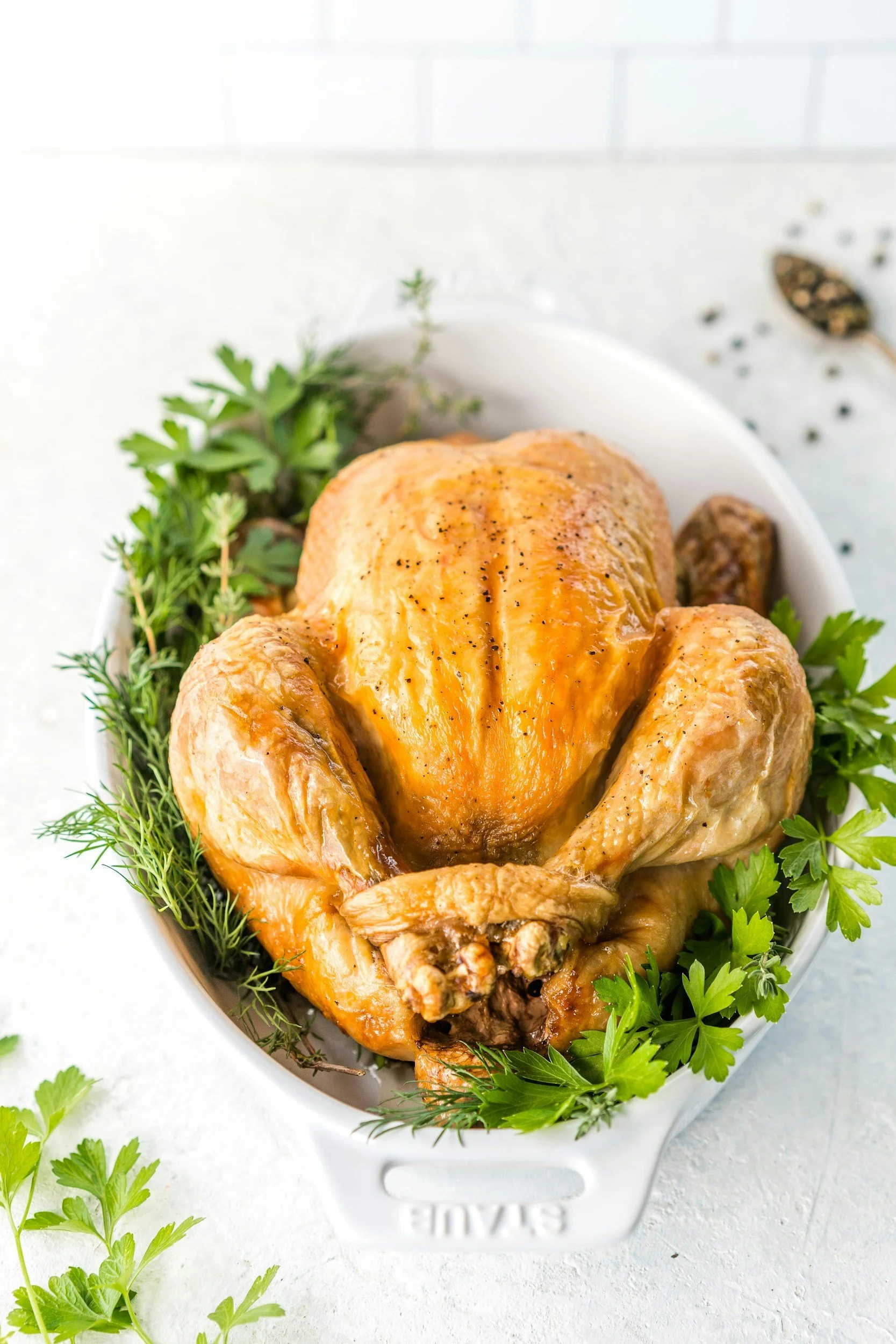
One night when my son was about 5 years old, he was watching me set the table for dinner. Out of the blue he asked if we were going to have ‘conversation chicken’ for dinner.
Hmmm I said, what’s that?
You know, ‘conversation chicken’, he kept saying, getting very excited. So after more questioning and going through my repertoire of chicken recipes in my head, he finally said, ‘you know Mommy, the thing we eat when people come over and we have a big conversation!’
The light went on.
In my early parenting days, my cooking skills were pretty basic. Which meant that I only had a few acceptable ‘go to’ recipes to offer dinner guests. One dish that I frequently prepared was Chicken Divan. Not only was it something I could prepare with confidence, but it was also a family favourite.
From that night Chicken Divan then became known at our house as Conversation Chicken.
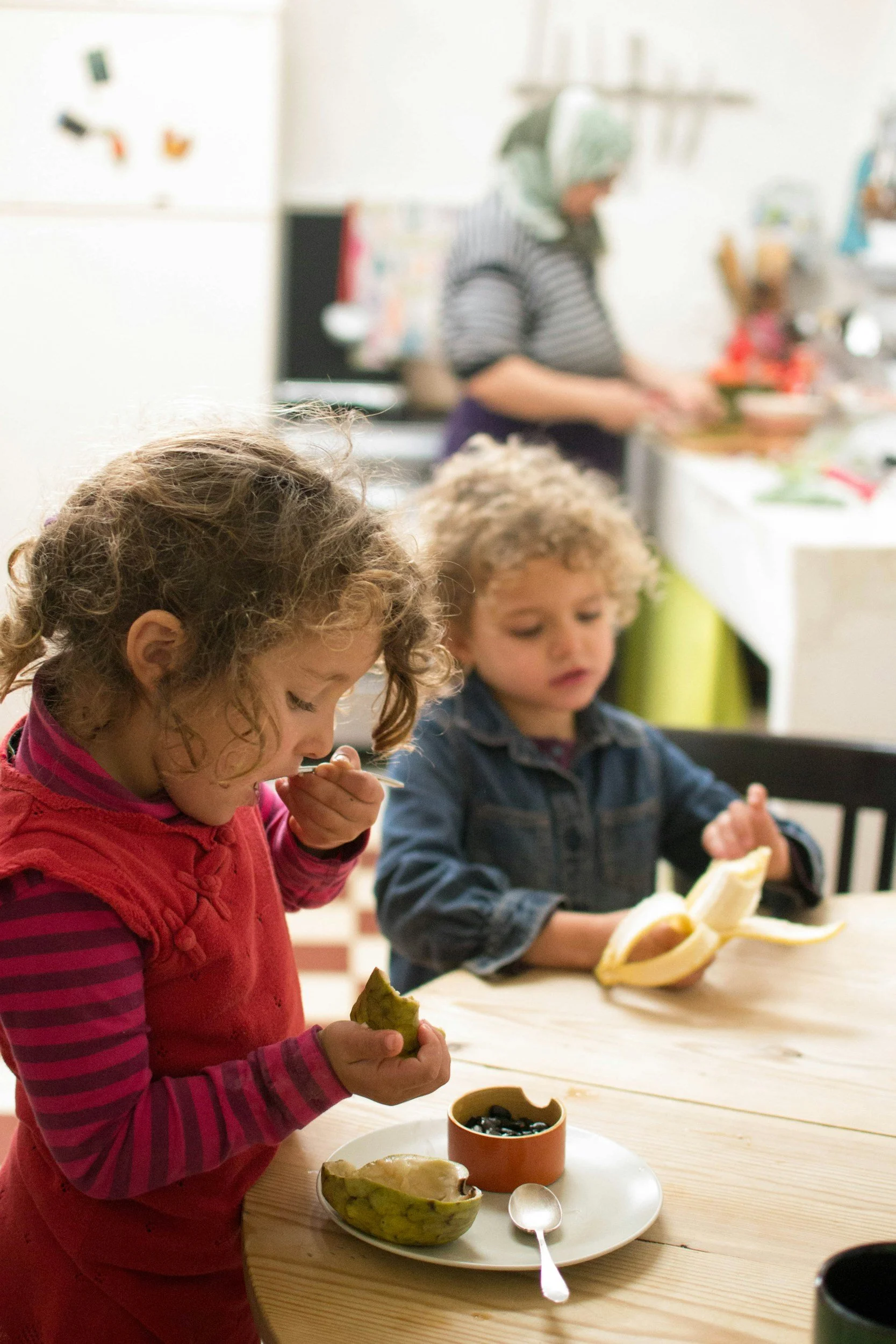
What was so revealing for me was how excited my son was about us all being at the table and having good conversation. I had underestimated how much he and his siblings loved being a part of family and special occasion dinners. In the early years, I would often feed my three children at the kitchen counter, one in a highchair and the other two on stools (it was faster and clean up was easier). However, after that evening realizing how much they enjoyed participating and interacting I started serving dinner at either the kitchen or dining room table as regularly as possible.
A new tradition in my young family was born.
As I look back, I see how much this tradition has contributed to building a sense of trust, stability and open communication between my children, my partner and me.
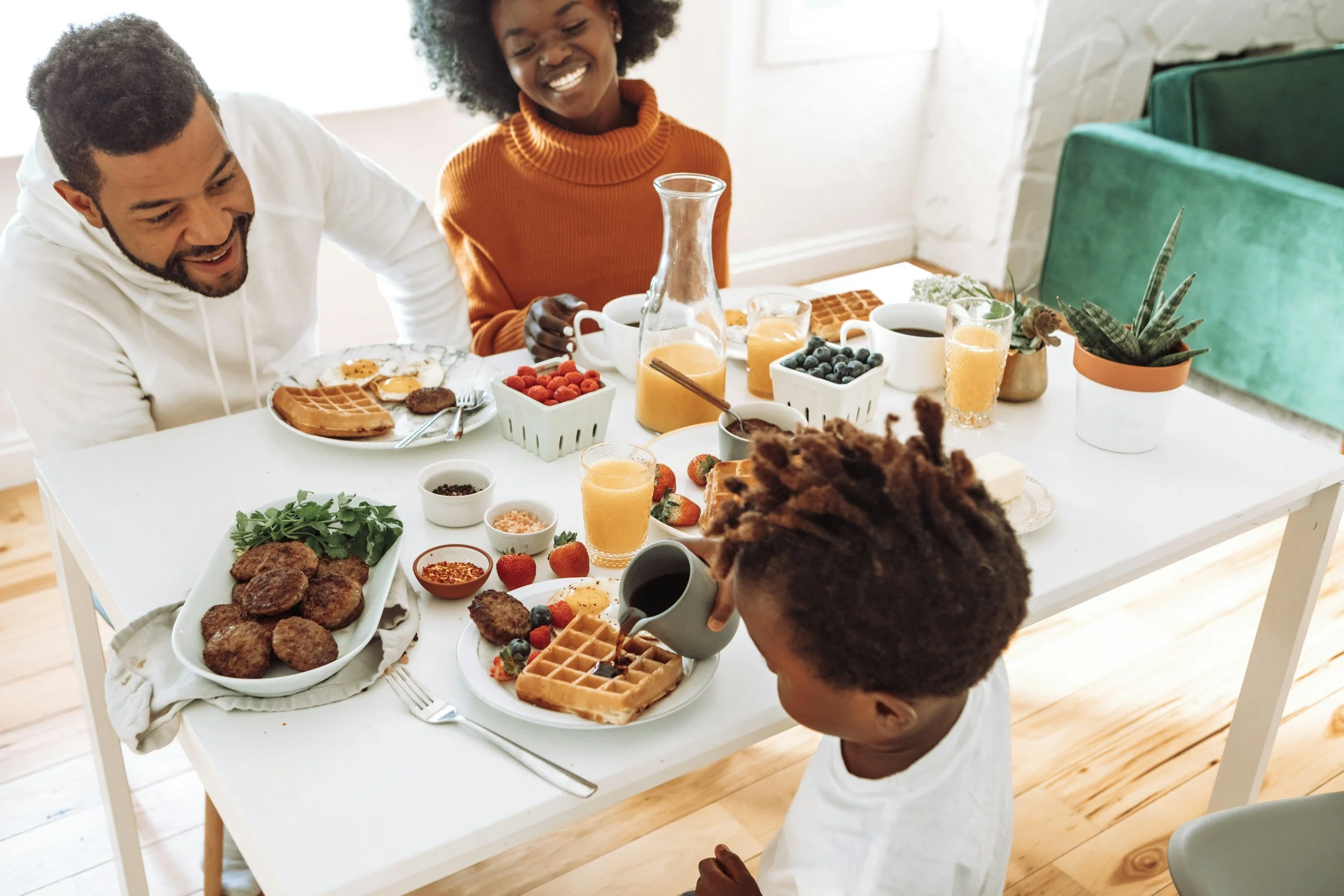
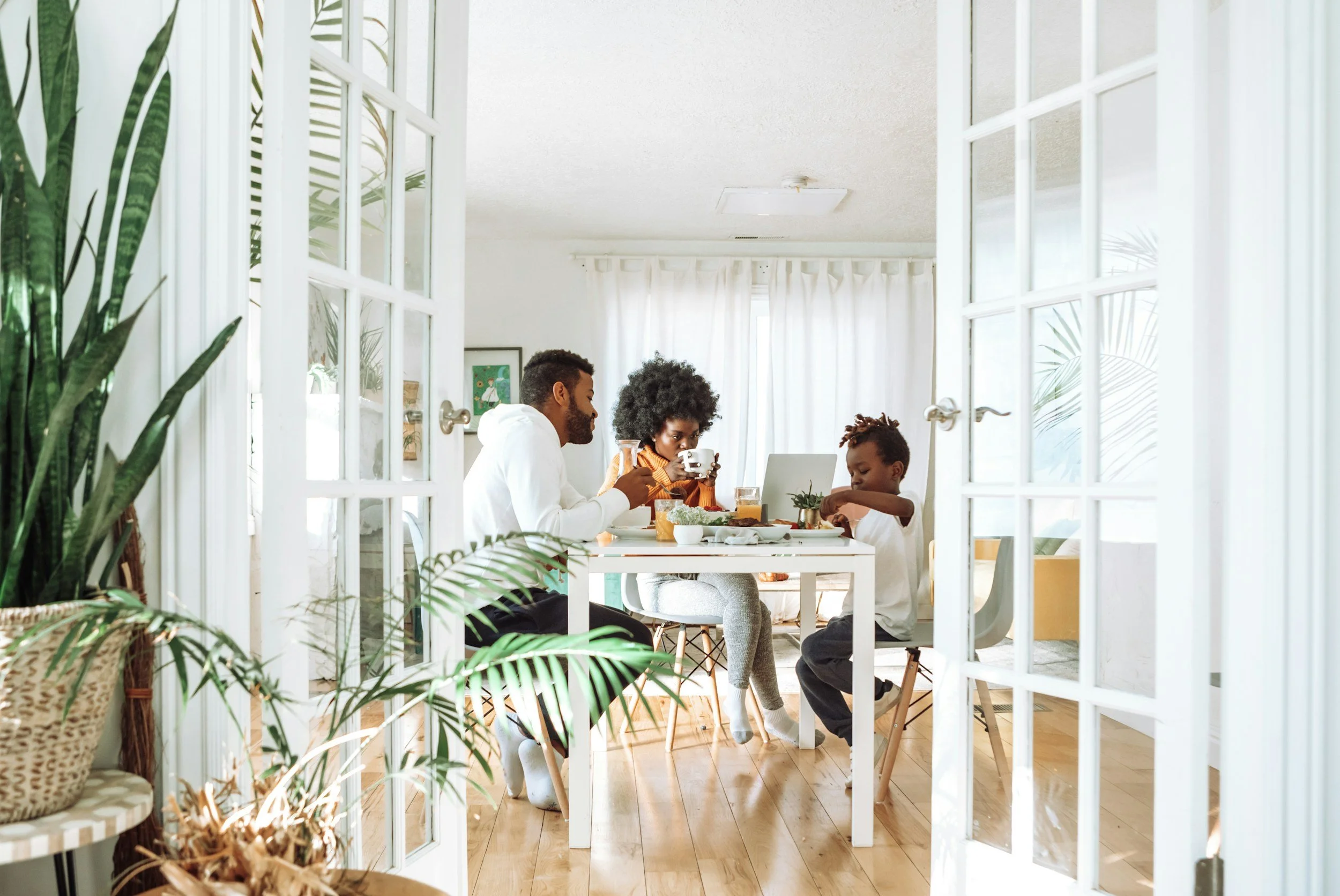
A great deal can be taught, and a great deal can be learned around a table. When everyone is eating, engaged with one another, sharing moments of the day and discussing weighty issues as well as light and fun topics, I believe this is a recipe for success.
Why SM&RT?
My late grandmother was and remains a huge influence in my life.
When I was young, I found her intimidating. She was strict and had strong opinions. It wasn’t until I started my first ‘real’ job in the Ontario Protocol Office that I could really appreciate and understand who she was and why. She was a mom and a working woman at a time when it was not conventional. With no choice, she had to provide for her young family. She learned early in her life to be smart, strong and resilient.
My grandmother would often visit my office to have lunch with me. She would always take time to speak with every one of my colleagues (all women). She would encourage them to ‘keep at it’ and tell them how proud she was to see so many young women working and making their way. Everyone loved her. She was so positive and a real champion.
She had countless expressions. One has stuck with me to this day. When I was about ten, I remember walking with my cousin on the sidewalk in front of our grandmother when she yelled, ‘you two, pick up your feet and walk smartly!’ While we laughed, we understood the message. Stand up straight, pick up your feet, walk with purpose and act smart.
One day as I was developing my workshops, I was thinking about my grandmother and reminiscing about the many happy times we had. Then came the ‘eureka’ moment. I found the name for my workshops. In tribute to my wonderfully smart grandmother who still guides me, my workshops are called SM&RT – pronounced smart and short for Social Management & Relevant Techniques.

The importance of saying ‘thank you’ cannot be overstated.
I like to think that I am the kind of person who makes every effort to say thank you and show appreciation, whether for hospitality, an invitation, a gift received or other for the acts of kindness that I have been lucky to receive. However, every now and then I slip up.
This is the story of one of those occasions.
In the spring of 2010 my daughter, along with 30 + other CEGEP students, went to Ecuador. After a year of studying, planning, saving and fundraising they were off for a month-long adventure.
All went according to plan until well…. it didn’t. On a Friday afternoon, in fact the very last day of the school organized part of the trip, the first of two bad things happened. My daughter had her knapsack stolen. In it were all her important things, passport, wallet and medications. Luckily, one of the teacher chaperons was still present and able to help her start the process of regaining documents by filling out a police report and contacting officials.
At this point, we knew that nothing more could be done until after the weekend. The plan was to go to the Canadian Consulate first thing Monday morning, get a new ‘temporary’ passport and carry on the adventure, travelling two more weeks with fellow students.
Then the second bad thing happened; Sunday evening she fell ill and had to be taken to the hospital. Early Monday morning we had news that they wanted to perform surgery. She had Gallbladder issues.
As you can imagine just one of those events, when your 17-year-old is far from home, is stressful enough, together they left us with extreme worry. I had one contact in Quito who I immediately phoned and asked for advice. By now it was 8 am.
We decided the first order of business would be to determine if her condition was stable enough to allow her to be flown home, if not, I would fly there to be at her side for the surgery. After consultation with the hospital, it was determined that surgery could wait a few days, and she could fly home: what a relief! So now what?
Travel documents and a passport.
It was a tricky situation, you can’t get a temporary passport without travel papers, and you can’t book international flights without a passport number. To keep it interesting, the original travel documents, organized by the school, were for a different return date. Complications began to multiply. We had only the business hours of Monday to get this sorted out if we were to get her on a flight the next day. To add to the already stressful situation, the next day, here at home, was a statutory holiday and all government offices would be closed.
A full day of rapid, nonstop calls to the school, travel agency, consulate, airline and passport office ensued. By mid-afternoon I had enough information in place to make a visit to the passport office.
After explaining the urgency of the situation, I was assured that Passport Canada would fax the necessary documents immediately to the Consulate. The Consulate would, in turn, be able to issue the temporary passport. I was told to go home and wait for a confirmation call from the Consulate. It was nearing 3pm, the office in Quito closes at 4pm, I had the travel agent on standby with a flight on hold and yet no word. I began calling the Consulate. They were very kind and apologetic indicating that they would release the passport the minute they received the fax but so far nothing had arrived. I started calling Passport Canada to ask what the problem was. Much back and forth and the clock was ticking. Passport Canada is assuring me the fax has been sent, Consul General is telling me nothing has come through. I was at my wits end. Determined to get our girl home I placed yet another call to Passport Canada and this time a young man answered the line. I went through my tale as quickly as possible to highlight the urgent nature of the situation. It was now close to 3:45pm and I’m on hold again and I’m frantic. A few minutes later this calm young man says to me ‘I think I know what the problem is – their fax machine is full.’ ‘Call them’ he said, ‘and tell them that they need to run the machine’. And sure enough within a short time the back log of faxes poured through and the last one in was the go-ahead document from Passport Canada.
What a day.
The young man at the passport office had given me his name and direct number if there were further problems. Of course, now that the problem was solved, I turned my attention to the flight home and the happy reunion.
Our daughter arrived safely the next day and I was now focused on her and her health, all things that would justify me not taking a few minutes to write or call.
I kept that piece of paper on my desk thinking that once the dust settled, I would make an effort to properly thank him in a more genuine fashion as he was an important part of solving the problem.
As more time passed, I felt uneasy about circling back and convinced myself that it would be weird now that days had turned into weeks. I remember tossing the paper saying to myself he was just doing his job, so no formal thanks were needed. However, this never sat well with me and left me feeling poorly for not acting when I should have.
It's been fifteen years, and I still regret that I did not circle back and say thank you. Because of this I am constantly reminding myself that even if some time has passed there is always value in showing proper appreciation and offering words of thanks.
I should have said thank you.

Why I Iron Ribbons
This might seem like a waste of time but stay with me. When I joined the government Protocol Office, I soon became responsible for more than just organizing, programming and logistics. I also was put in charge of the official government gift bank. What is that you may ask? When official visitors came to meet with our government officials we would need to offer a gift as part of the hospitality package. The gift selection was, of course, important but so was the presentation. We purchased good quality ribbons and wrapping paper. Each item was carefully selected and wrapped so the receiver of the gift would feel valued and appreciated.
I began to re-evaluate how I presented gifts to my friends and family. I started purchasing double sided satin ribbons, coloured tissue paper and good quality wrapping paper for my personal use. I took a lot of pleasure in preparing the gifts; I still do. If a birthday party took place at my home, I would often find ribbons left behind. I routinely gathered them and ironed them so that they would be ‘presentation ready’ for the next occasion. I did the same after the big holiday celebrations that would see many ribbons on the floor. I learned through my work that it is, in fact, in the details where impressions are made. Tidy, neat ribbons with the ends properly cut by sharp scissors are part of the presentation. This refers not only to the gift and wrappings but also to the card attached.
A card, thoughtfully chosen, with carefully prepared words hand written inside can be as important as the gift itself. The words in a card can be truly meaningful long after the gift has been received.
This is why, in my opinion, the gift needs proper presentation (wrapped with a card) in order for the receiver to feel the full impact of your intended kindness and generosity. That is why I iron ribbons.